
Hugo Schwarz · 1 October 2026
Navigating the Intersection of Traditional Plant Rituals and Modern Virtual Toolkits for Shared Knowledge Building
Communities across multiple continents continue to maintain plant-based rituals that encode generations of botanical expertise while digital platforms now facilitate the structured exchange of those same practices through interactive interfaces and collaborative databases.
Foundations of Plant Ritual Knowledge Systems
Indigenous groups in regions such as the Amazon basin and the Pacific Northwest have long relied on specific plant preparations during ceremonies that transmit ecological observations and medicinal applications from one generation to the next and researchers have documented how these rituals embed precise details about seasonal harvesting cycles and preparation methods within oral narratives and communal activities. Data from ethnographic studies shows that participants often record plant locations, growth conditions, and usage protocols during these events which creates layered repositories of practical information that extend beyond spiritual contexts.
Emergence of Digital Collaboration Platforms
Virtual toolkits including shared annotation systems, multimedia wikis, and real-time mapping applications allow dispersed practitioners to upload ritual descriptions alongside photographic evidence and geographic coordinates and these systems support version tracking that preserves variations in practice across different communities. Observers note that platforms developed since the early 2020s incorporate features such as controlled access permissions and multilingual interfaces which enable groups to maintain cultural ownership while contributing to broader knowledge pools and figures from academic repositories indicate steady growth in user contributions from ethnobotanical projects based in North America and Oceania.
Case Examples of Combined Approaches
One documented initiative in northern Australia integrated video recordings of plant gathering rituals with an open-source mapping interface that lets contributors overlay traditional ecological indicators onto satellite imagery and participants from multiple Aboriginal language groups added annotations that clarified regional differences in plant processing techniques. A separate project coordinated through Canadian research networks connected elders performing cedar bark rituals with digital archivists who tagged entries according to seasonal indicators and cross-referenced them against climate data sets maintained by government agencies.
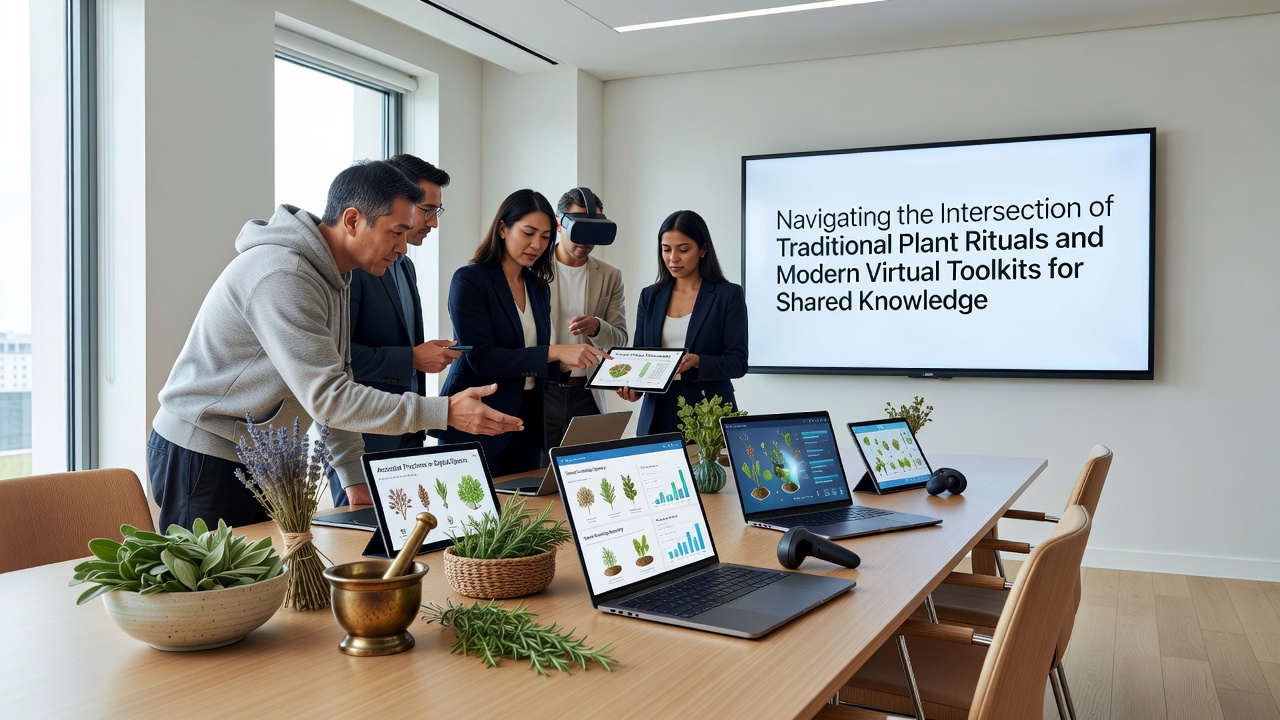
Researchers have observed that these combined methods reduce duplication of effort while surfacing previously isolated variations in ritual timing and plant selection criteria and reports from the Australian Institute of Aboriginal and Torres Strait Islander Studies detail how such integrations have accelerated the compilation of comparative datasets across language communities.
Technical and Cultural Mechanisms
Toolkits typically employ structured metadata schemas that tag ritual elements according to plant species, preparation stage, and participant role which allows users to query across entries for patterns such as overlapping harvest windows or shared ceremonial sequences and integration with external databases maintained by institutions in the European Union provides additional layers of botanical verification without altering original community narratives. Those managing the platforms implement consent workflows that require explicit approval before any entry becomes visible to wider audiences and updates released in October 2026 introduced refined audit trails that log every edit to ritual descriptions while preserving earlier versions for review.
Collaboration features such as threaded discussion boards attached to individual plant entries enable practitioners to debate interpretations of particular ritual steps and data logs from active projects reveal that these exchanges frequently surface practical adjustments based on recent environmental changes including shifts in rainfall patterns or soil conditions.
Knowledge Validation and Access Protocols
Validation processes in these hybrid environments combine peer review among recognized community knowledge holders with automated checks against botanical nomenclature databases and contributors from different geographic areas cross-check entries to confirm consistency in reported plant properties or ritual sequences. Access controls often restrict sensitive details such as exact locations of rare species to verified group members while releasing generalized preparation methods for educational use and organizations coordinating these efforts draw on guidelines from bodies such as the Convention on Biological Diversity to align digital practices with international standards for equitable benefit sharing.
Conclusion
Projects that link traditional plant rituals with virtual toolkits continue to expand the reach of accumulated botanical knowledge while preserving community authority over sensitive information and ongoing platform refinements support more precise documentation of ritual variations across regions. Continued coordination among cultural custodians, technical developers, and research institutions sustains these intersections and produces accessible records that reflect both longstanding practices and contemporary adaptations.